We use cookies to make this site work. We'd also like to set optional cookies so we can understand how the site is used and improve it. We will not set optional cookies unless you accept them. You can change your choice at any time from the Cookie settings link in the footer.
Strictly necessary cookies
These cookies are required for the site to work. They store your cookie preferences and keep your session secure. They are exempt from consent under PECR Regulation 6(4) because they are essential to deliver the service you have requested.
Optional cookies
Optional cookies help us understand how the site is used and provide additional features such as analytics, accessibility tools and translation. We will only set them if you accept.

#AskAboutAsthma Week
Supporting Children and Young People
Why It Matters
Asthma is one of the most common long-term conditions in children and young people. Every year, thousands are admitted to hospital due to asthma attacks—many of which are preventable.
#AskAboutAsthma Week raises awareness and promotes simple steps to improve asthma care.
Four Steps to Better Asthma Control
- Get an Asthma Action Plan: A personalised plan helps children and families know what to do when symptoms worsen. Children with a plan are four times less likely to need emergency hospital treatment.
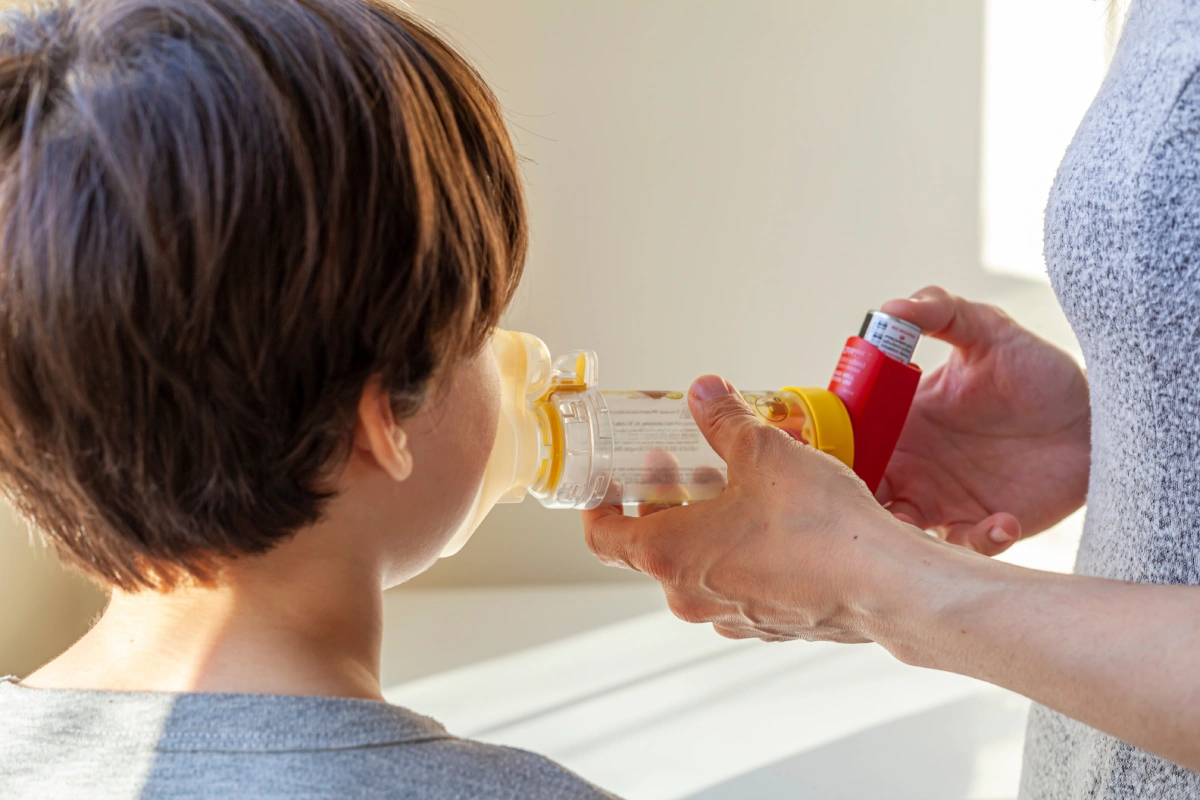
- Use Inhalers Correctly: Using inhalers the right way ensures medicine reaches the lungs. Check your child’s technique regularly and ask your GP or asthma nurse for support.
- Have Regular Asthma Reviews: Children should have an asthma review every year and after every asthma attack. These reviews help adjust treatment and spot early warning signs.
- Think About Air Quality: Indoor triggers include smoke, damp, mould, sprays, and dust mites. Outdoor pollution from traffic and poor air days can also affect asthma. Talk to your child about avoiding triggers and staying safe.
Speak to Your Asthma Nurse
If your child has asthma, make an appointment to speak to the asthma nurse. They can:
- Review your child’s inhaler technique
- Update their asthma action plan
- Offer advice on managing triggers
- Answer any questions you or your child may have
Regular contact with your asthma nurse helps keep asthma under control and gives families confidence in managing the condition.
Published: Sep 5, 2025
PRACTICE POLICIES
Find out more about the policies and procedures we adhere to at St James' Surgery.
Registered address: Camburgh House, 27 New Dover Road, Canterbury, Kent, CT1 3DN